Test Sieves of Metal Wire Cloth
Custom solutions available upon customer request
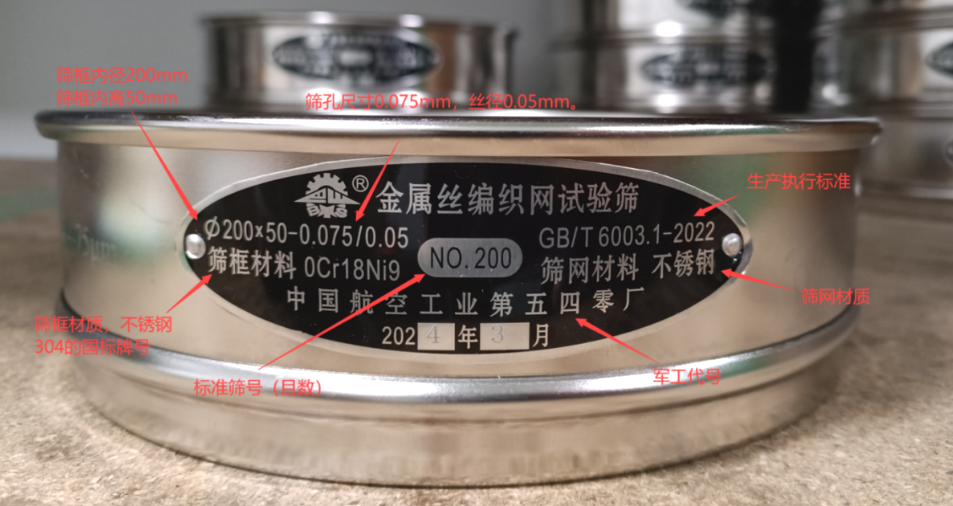
Product Overview φ200×50mm Test Sieves of Metal Wire Cloth
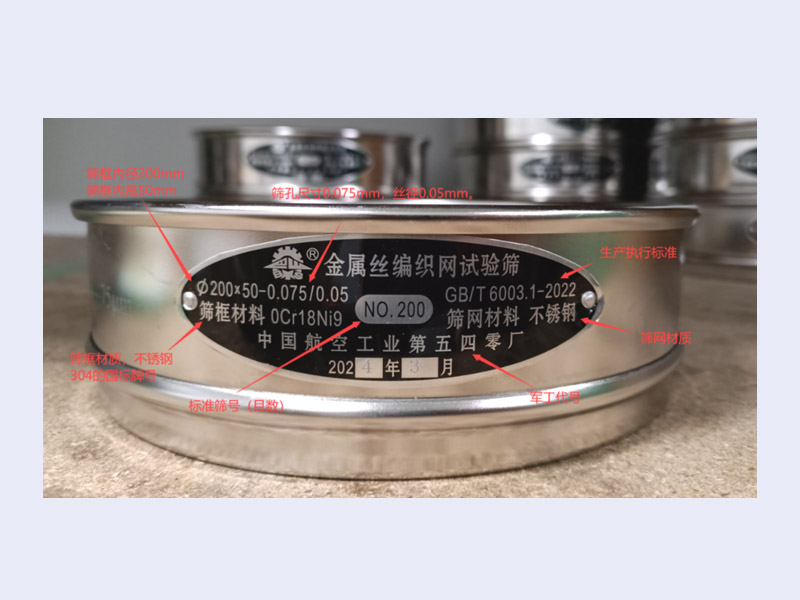
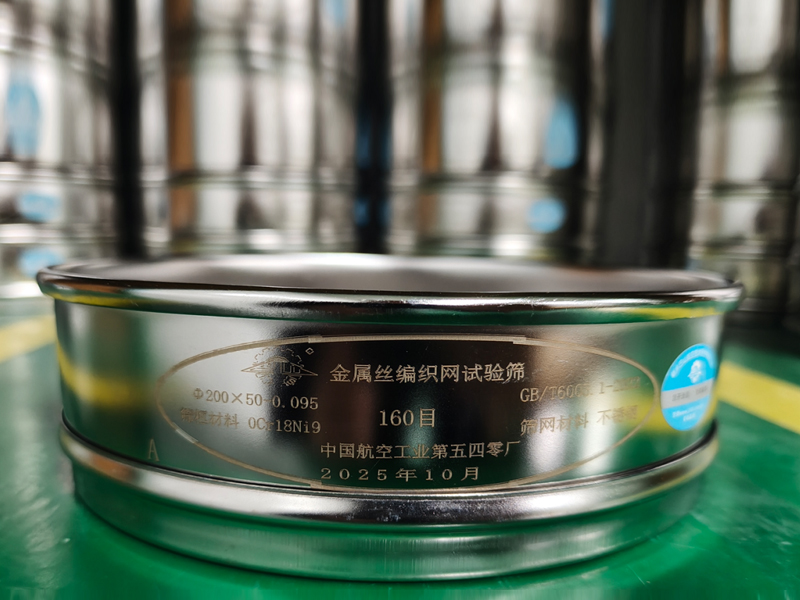
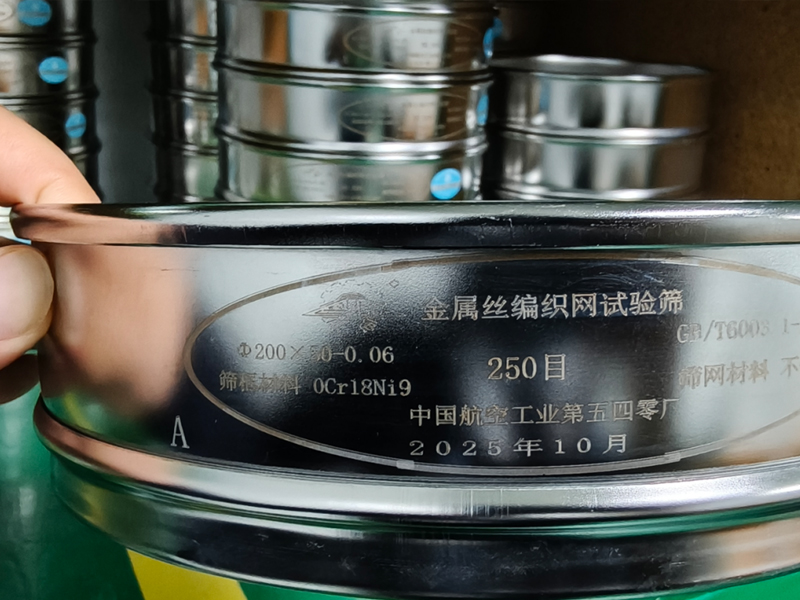
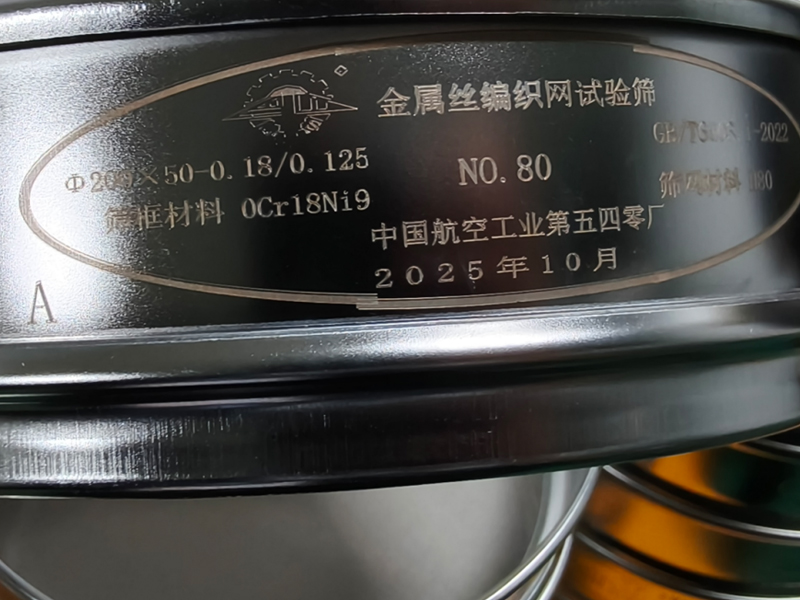
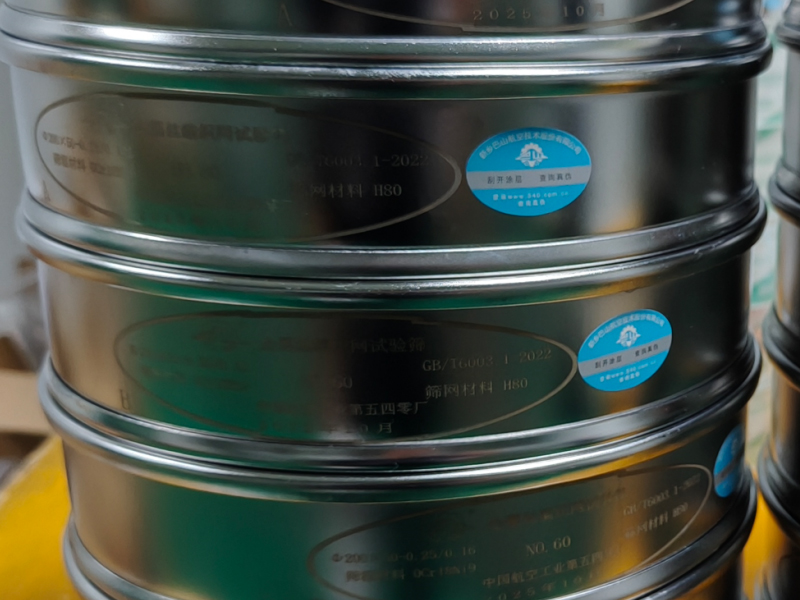
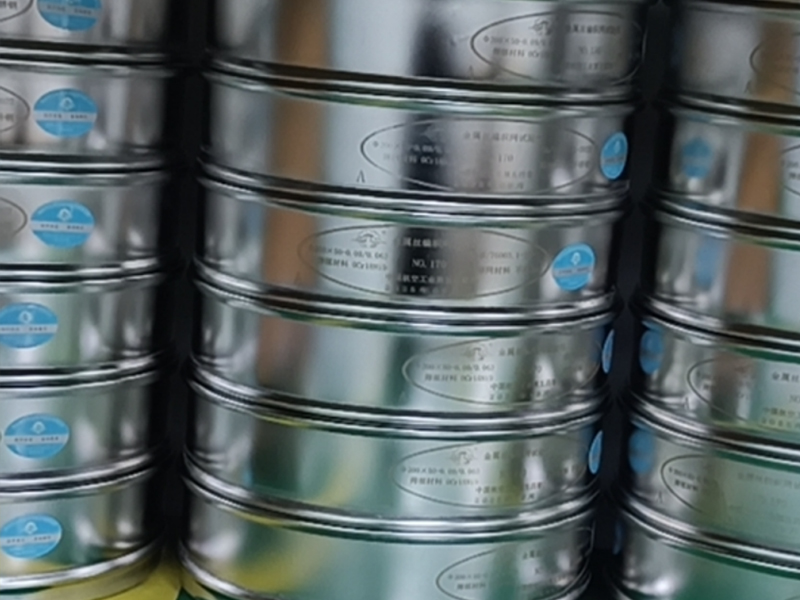
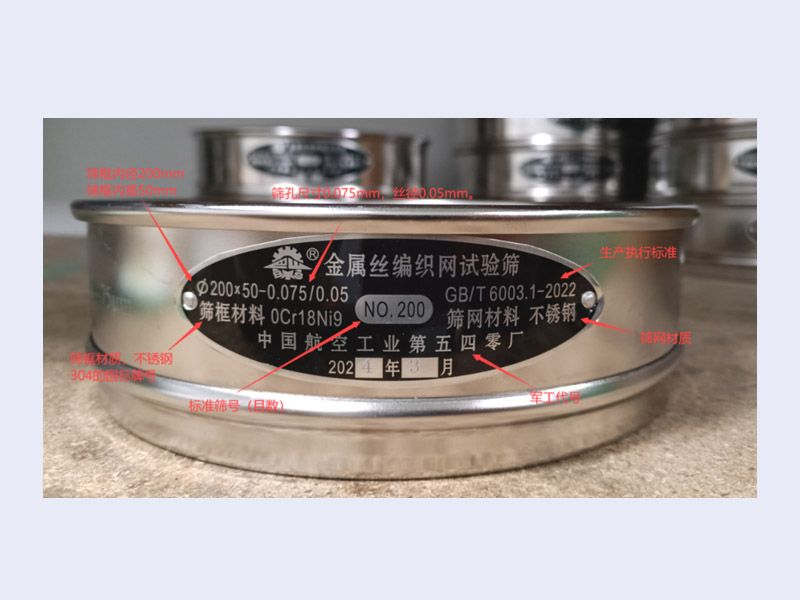
Metal wire woven test sieves are manufactured in accordance with the national standard GB/T 6003.1-2022. The nominal aperture sizes range from 2.36 mm to 0.02 mm, fully compliant with international standards ISO 3310-1:2016 in the R20/3, R20, and R40/3 series.
The sieve mesh materials include brass, phosphor bronze, and stainless steel.
For sieves from 8# to 100#, the primary mesh (supporting mesh) is made of brass (H80) and undergoes a special electrochemical treatment to reduce aperture deviation, improve mesh accuracy, enhance corrosion resistance, and ensure a smooth surface that is less prone to deformation—resulting in greater durability.For 100# and above, the sieve mesh is made of stainless steel.All sieve frames are manufactured from premium stainless steel.
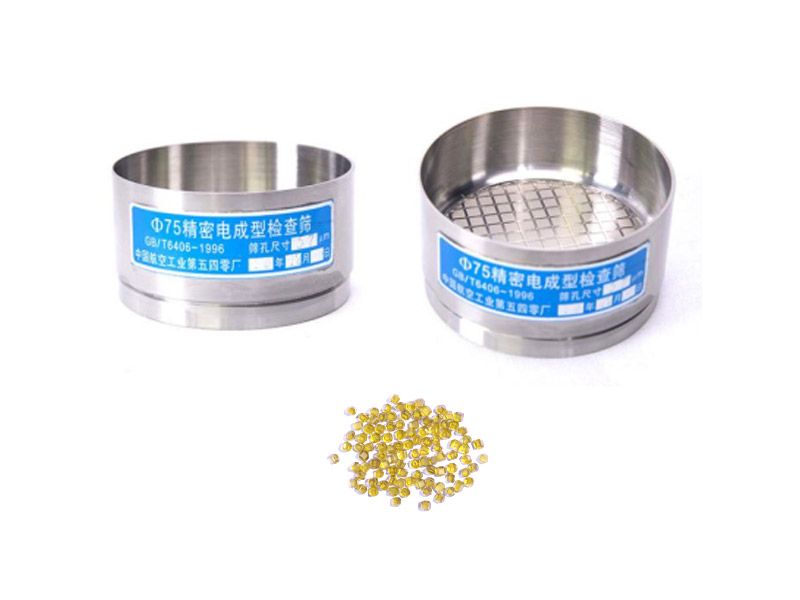
φ200×50mm Test Sieves of Metal Wire Cloth - High Precision Apertures(Mesh opening size can be made as small as 2μm)
φ200×50mm Test Sieves of Metal Wire Cloth - High Precision Apertures
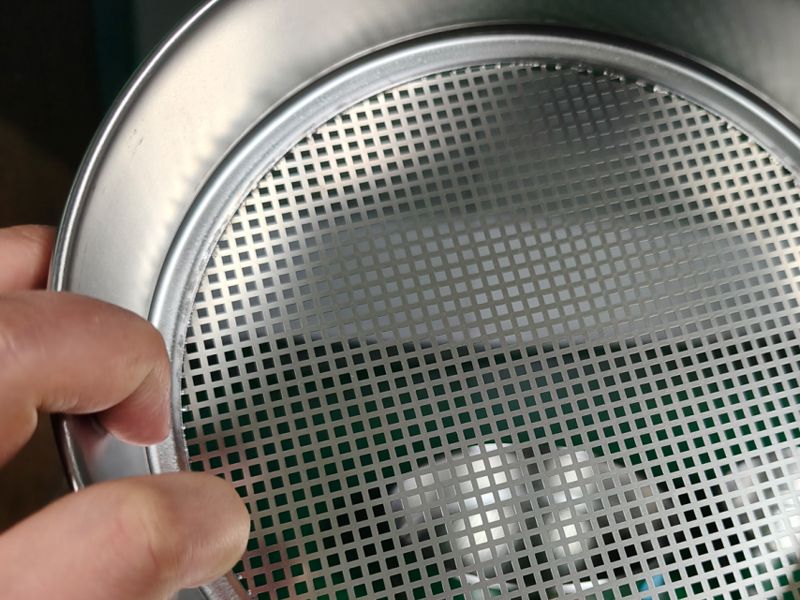
High precision test screen is a key equipment used for precise screening and particle size analysis of materials, widely used for particle grading and particle size inspection of diamond micro powder raw materials, diamond coating materials, metal micro powder, mineral powder and other materials. This type of experimental sieve adopts high-quality mesh and precision manufacturing technology, with standardized and uniform mesh size, good repeatability and accuracy, and can achieve efficient and reliable classification of fine particles.


Product Parameters Cross-section oftest sieve (diagrammatic)

1 Metal Wire Cloth;
2 Main Part;
3 Base;
4 Frame
| Test sieve nominal frame size | Diameter or length of effective sieving surface | Approximate depth | ||
| D1 | D2 | Min | Max | H1 |
| 200mm(0,+0.6) | 200mm(-0.1,+0.6) | 185mm | 200mm | 50mm |
Φ200mm Basic Apertures of Test Sieves
| Serial Number | Basic Apertures | Wire Diameters | Open Area Ratio | Mesh Material | For Average A、Aperture Size |
| No. 8 | 2.36mm | 1mm | 49 | Brass & Nickel Plating | ±0.069mm |
| No. 10 | 2mm | 0.9mm | 48 | Brass & Nickel Plating | ±0.059mm |
| No. 12 | 1.7mm | 0.8mm | 46 | Brass & Nickel Plating | ±0.05mm |
| No. 14 | 1.4mm | 0.71mm | 44 | Brass & Nickel Plating | ±0.042mm |
| No. 16 | 1.18mm | 0.63mm | 44 | Brass & Nickel Plating | ±0.036mm |
| No. 18 | 1mm | 0.56mm | 44 | Brass & Nickel Plating | ±0.03mm |
| No. 20 | 850μm | 500μm | 40 | Brass & Nickel Plating | ±26.2μm |
| No. 25 | 710μm | 450μm | 37 | Brass & Nickel Plating | ±22.2μm |
| No. 30 | 600μm | 400μm | 36 | Brass & Nickel Plating | ±19μm |
| No. 35 | 500μm | 315μm | 38 | Brass & Nickel Plating | ±16.2μm |
| No. 40 | 425μm | 280μm | 36 | Brass & Nickel Plating | ±14μm |
| No. 45 | 355μm | 224μm | 38 | Brass & Nickel Plating | ±12μm |
| No. 50 | 300μm | 200μm | 36 | Brass & Nickel Plating | ±10.4μm |
| No. 60 | 250μm | 160μm | 37 | Brass & Nickel Plating | ±8.9μm |
| No. 70 | 212μm | 140μm | 36 | Brass & Nickel Plating | ±7.8μm |
| No. 80 | 180μm | 125μm | 35 | Brass & Nickel Plating | ±6.8μm |
| No. 100 | 150μm | 100μm | 36 | Brass & Nickel Plating | ±6.0μm |
| No. 120 | 125μm | 90μm | 34 | Stainless Steel | ±5.2μm |
| No. 140 | 106μm | 71μm | 33 | Stainless Steel | ±4.7μm |
| No. 170 | 90μm | 63μm | 35 | Stainless Steel | ±4.2μm |
| No. 200 | 75μm | 50μm | 36 | Stainless Steel | ±3.7μm |
| No. 230 | 63μm | 45μm | 34 | Stainless Steel | ±3.4μm |
| No. 270 | 53μm | 36μm | 35 | Stainless Steel | ±3.1μm |
| No. 325 | 45μm | 32μm | 34 | Stainless Steel | ±2.8μm |
| No. 400 | 38μm | 30μm | 31 | Stainless Steel | ±2.6μm |
| No. 450 | 32μm | 28μm | 28 | Stainless Steel | ±2.4μm |
| No. 500 | 25μm | 25μm | 25 | Stainless Steel | ±2.2μm |
| No. 600 | 20μm | 20μm | 25 | Stainless Steel | ±2.1μm |
* Note: The above table lists the main sieve specifications. For aperture sizes not shown, please contact Bashan.
Test Sieve Manufacturing Process
One-piece Cast Reinforced Frame·Precision Mesh Selection for Accurate Aperture Control
Please feel free to email us:arvin540@foxmail.com
Recommended Applications Test sieves are primarily used for particle size classification and particle size analysis. They are also commonly used as tools for grading small batches of granular materials. They are widely applied in industries such as abrasives, diamond micron powder, superhard materials, geological exploration, powder metallurgy, ceramic materials, building materials, pharmacopeia testing, and chemicals. Test sieves are essential for precise screening and analysis of fine and ultra-fine particles, as well as for quality process control and inspection during mass production.
Related Recommendations
Top
Follow us