Current location:Home >Thread Insert

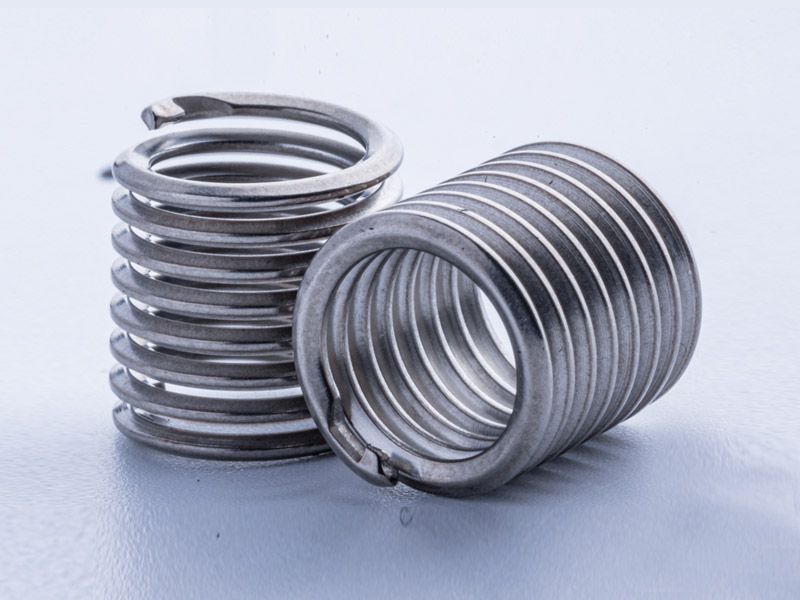
Tang-Type Helical Inserts

Materials:
304, 304H, 321, High-Temperature Alloys
Size Range:
M1.6~M60
Surface Coatings:
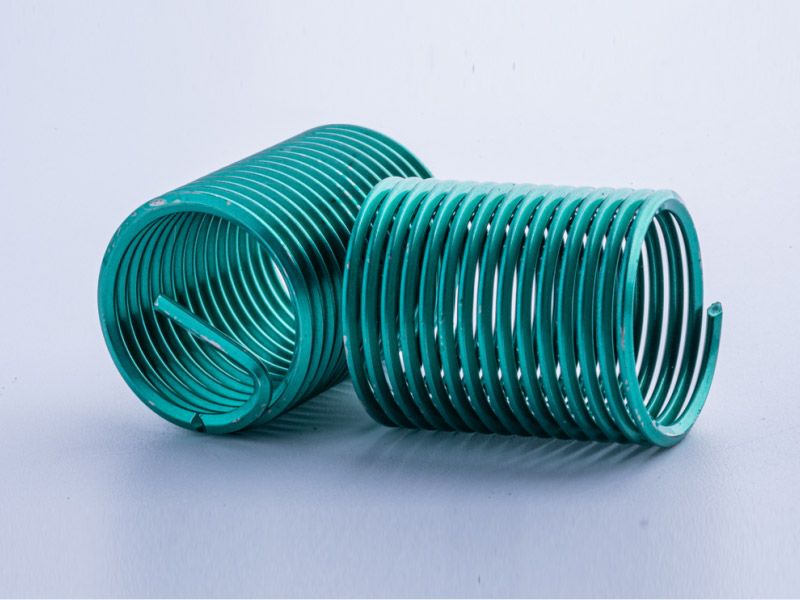
Silver plating, Cadmium plating, Coloring (green, yellow, etc.), Molybdenum disulfide (MoS₂)
Locking Type:
Self-locking, Standard
Internal Thread Type:
Metric, UNC coarse thread, UNF fine thread

Custom solutions available upon customer request

Product Overview

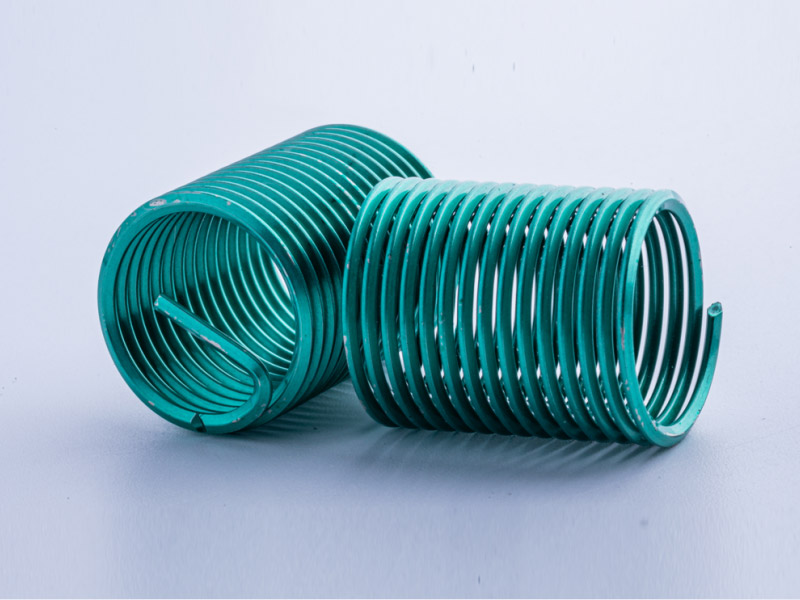
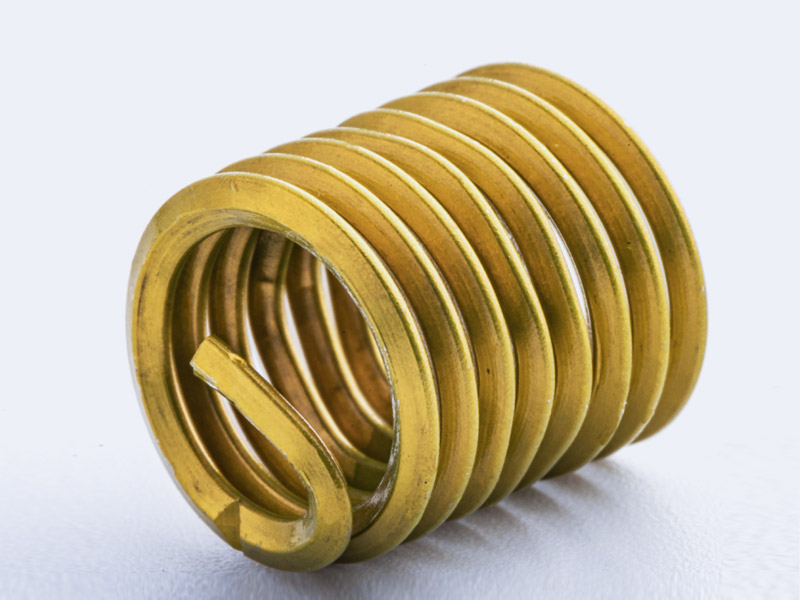
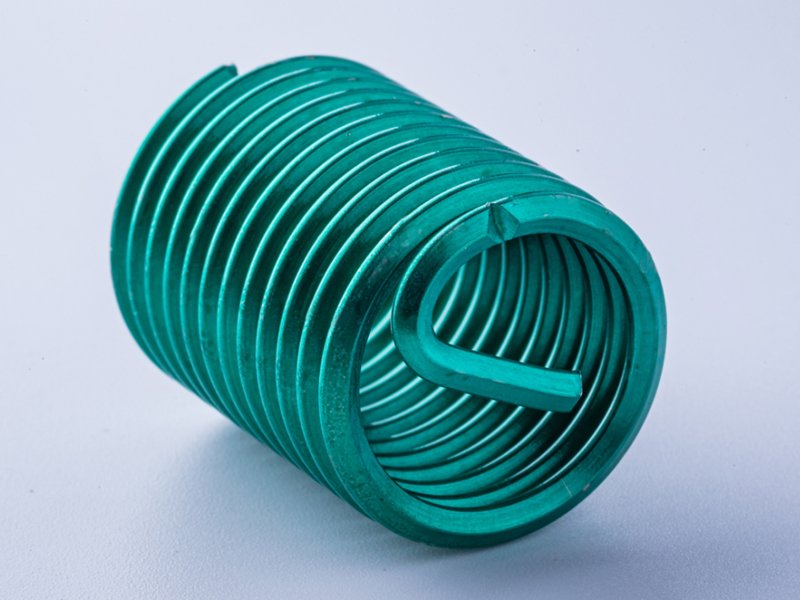
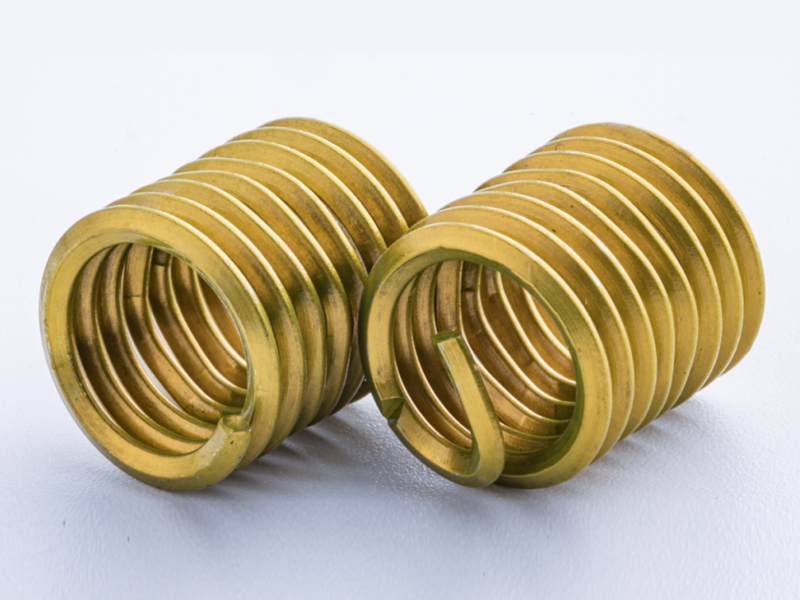
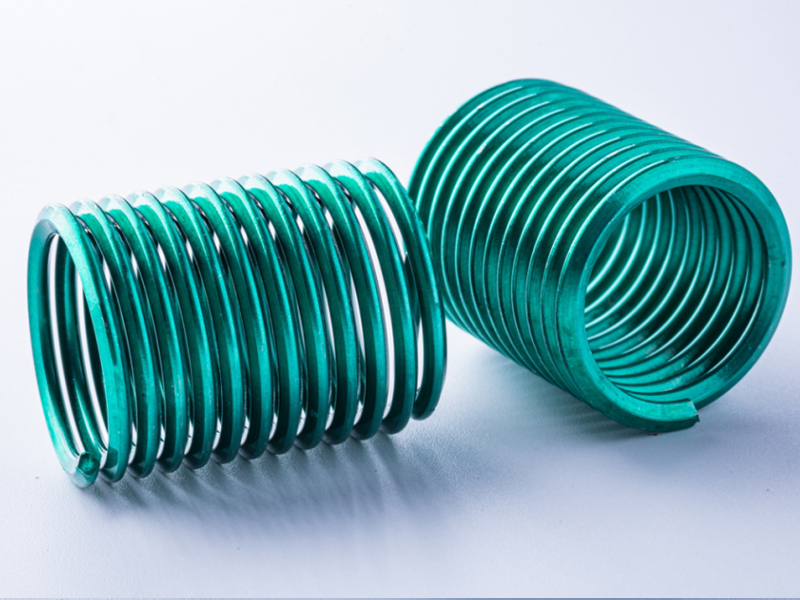
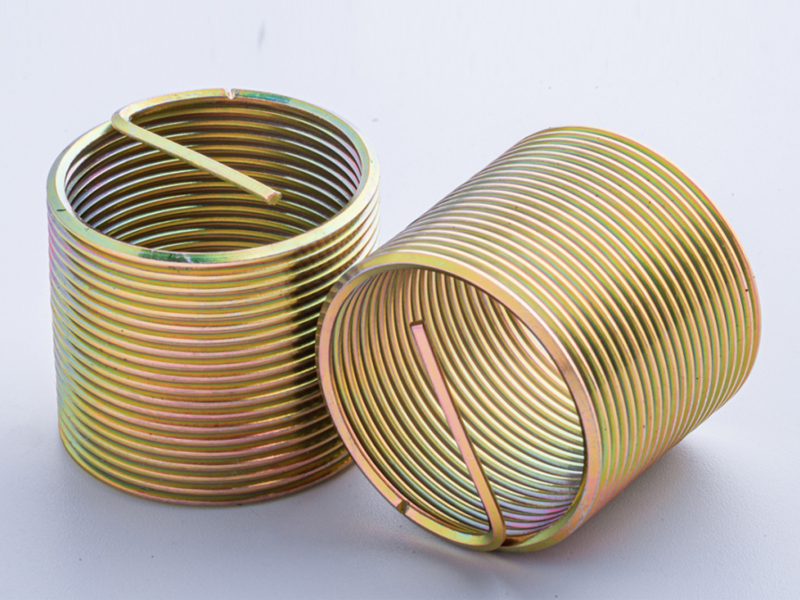
Standard wire thread inserts come in two types: one with a tang featuring a notch for break-off and one with a tang without a notch. They are made of multi-coil helical wire and, by selecting a proper installation length, form an elastic connection between the screw and the internal threads of the base material, eliminating thread manufacturing errors and increasing connection strength. Compared with traditional inserts, they reduce additional volume and weight.
Standard wire thread inserts with a break-off notch on the tang are mainly used in through-holes and are the most widely used type.
Standard wire thread inserts without a notch on the tang are mainly used in blind holes or deep holes where the screw end must not contact the installation tang after tightening.

Tang-Type Thread Insert Installation Tools

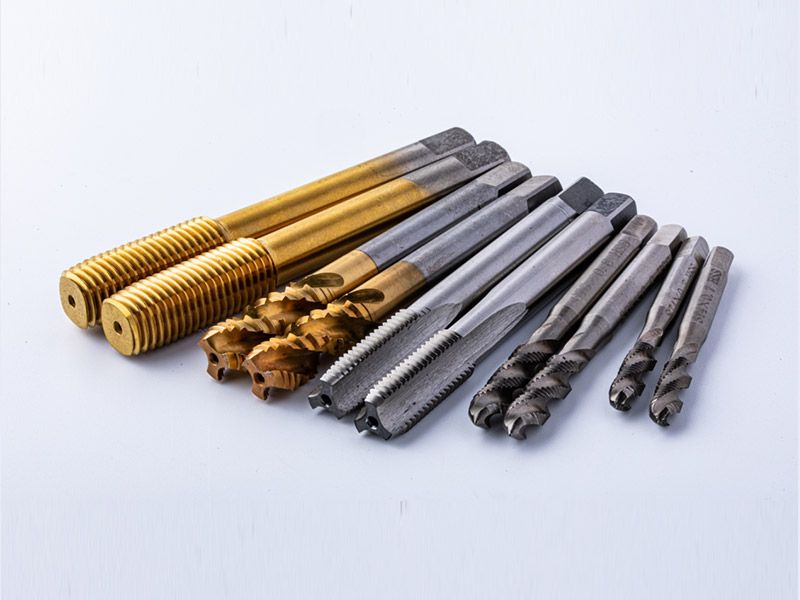
  • Taps for Wire Thread Inserts

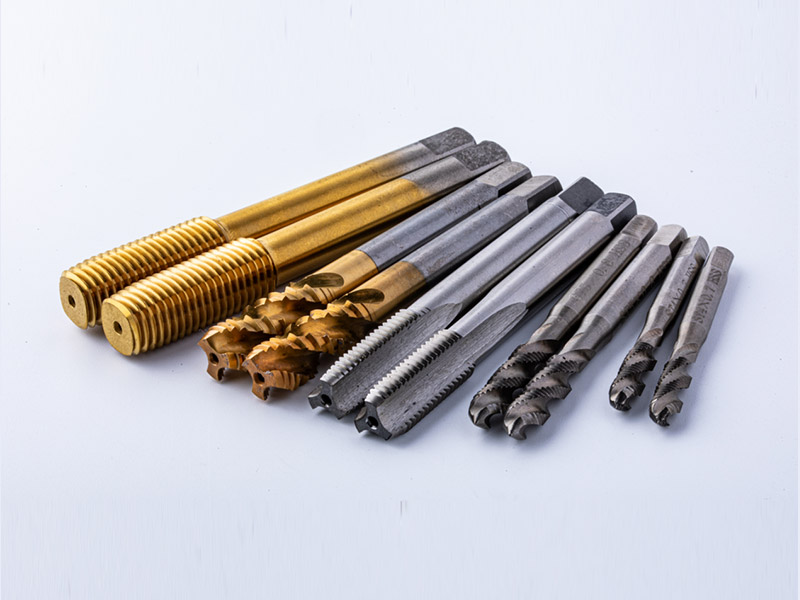
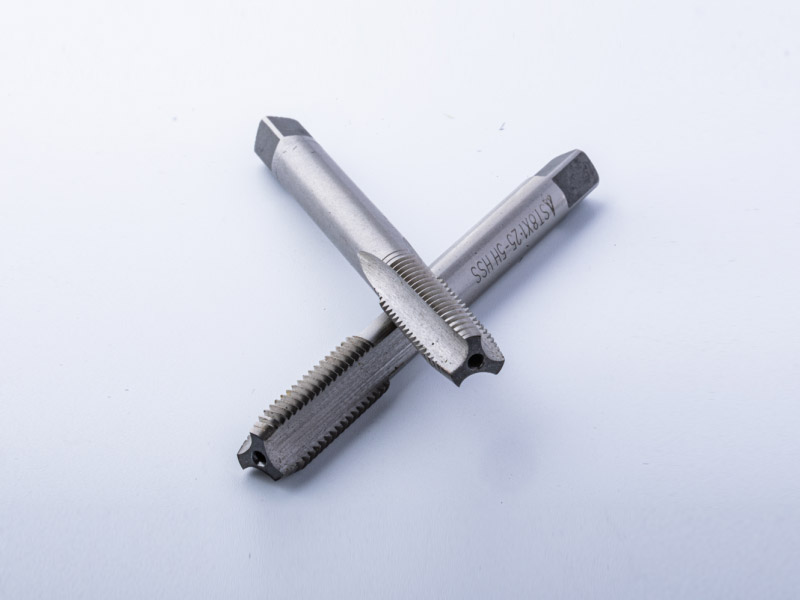
    Taps for wire thread inserts are used to machine special internal threads for wire thread insert installation holes. They are manufactured according to the national standard GB3464-83 (Straight-shank machine and hand taps) and are made of W6Mo5Cr4V2 high-speed steel. They can be used for both machine and manual tapping.

  • Straight-Flute Taps

    Straight-flute taps have a wide range of applications and can be used for both through-holes and blind holes, as well as for ferrous and non-ferrous metals. Suitable for both hand and machine tapping and are relatively inexpensive. However, they are less specialized — short-lead taps are used for blind holes, and long-lead taps are used for through-holes.

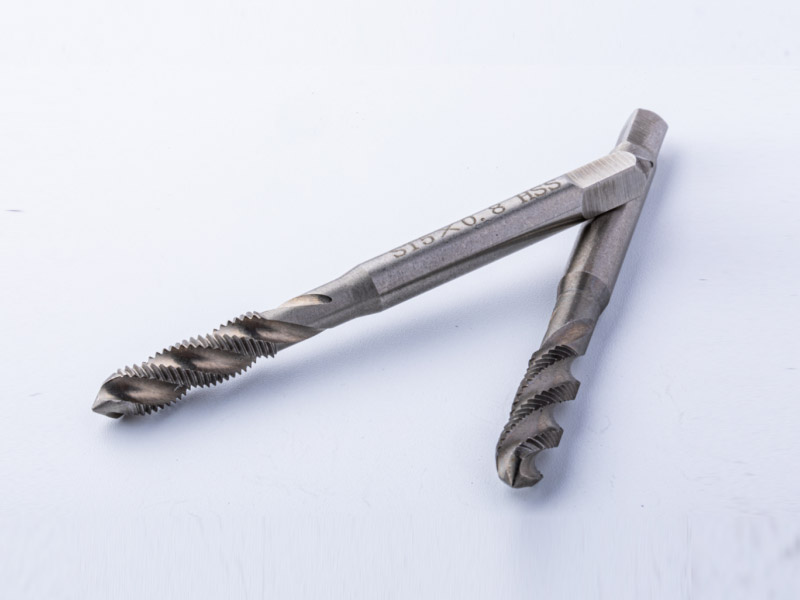
  • Spiral-Flute Taps

    Spiral-flute taps are more suitable for blind holes, especially when used with dedicated tapping machines or machining centers. Chips are expelled backward during tapping, resulting in high cutting efficiency and good surface quality of the internal threads.


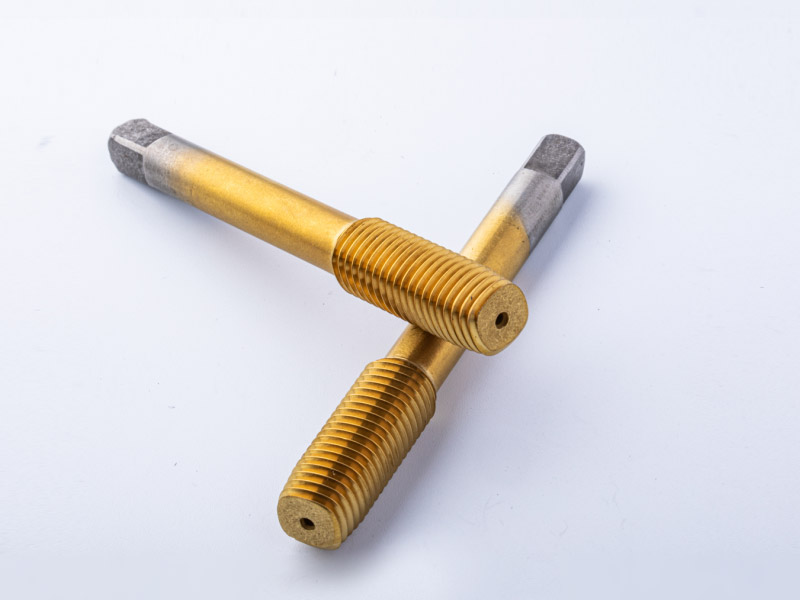
  • Forming (Roll) Taps

    Forming taps are ideal for machining tough non-ferrous metals, especially copper, aluminum alloy castings, and stainless steel. They produce internal threads through cold-forming, which yields high tensile and shear strength and better surface roughness.

Wire Thread Insert Installation Tools

  • 12

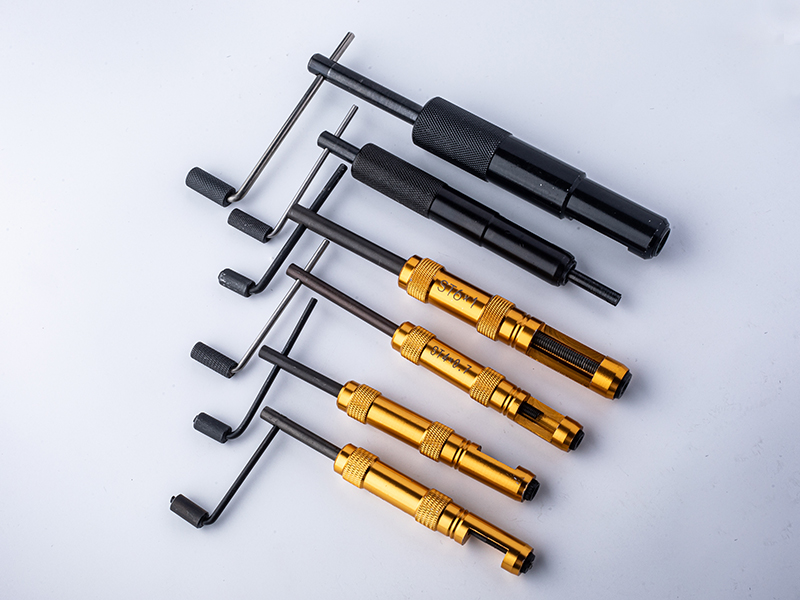
  • Manual Installation Wrench

    The basic principle is to guide the insert through a lead thread that compresses its outer diameter, allowing smooth insertion into the base hole.


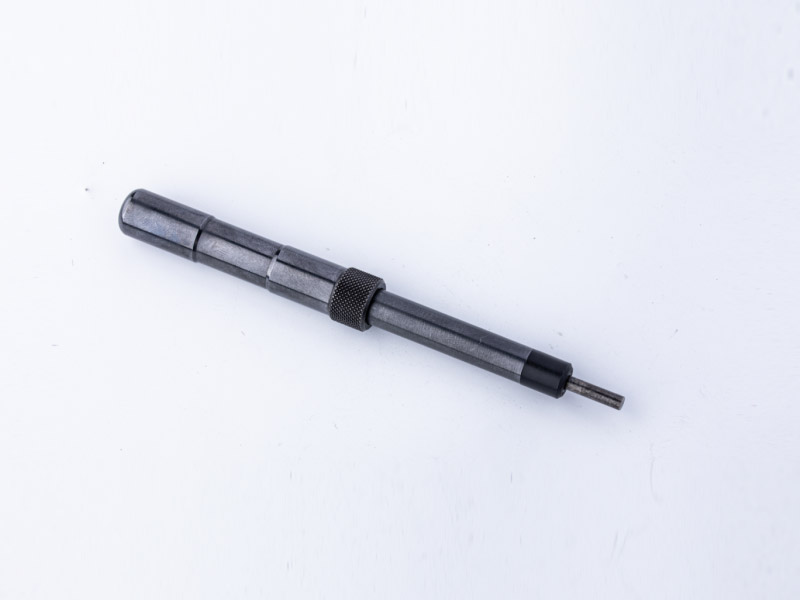
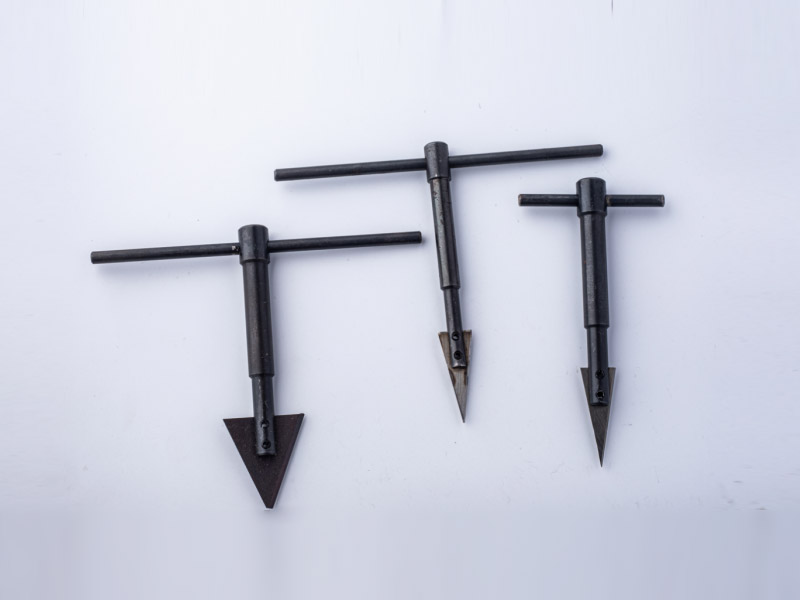
  • Manual Tang Break-Off Tools /  Automatic Tang Break-Off Tools

    Tang Break-Off Tools: Break off the installation tang of wire thread inserts with a sharp impact.

  • Extraction Tools

    Used to remove wire thread inserts installed in tapped holes.

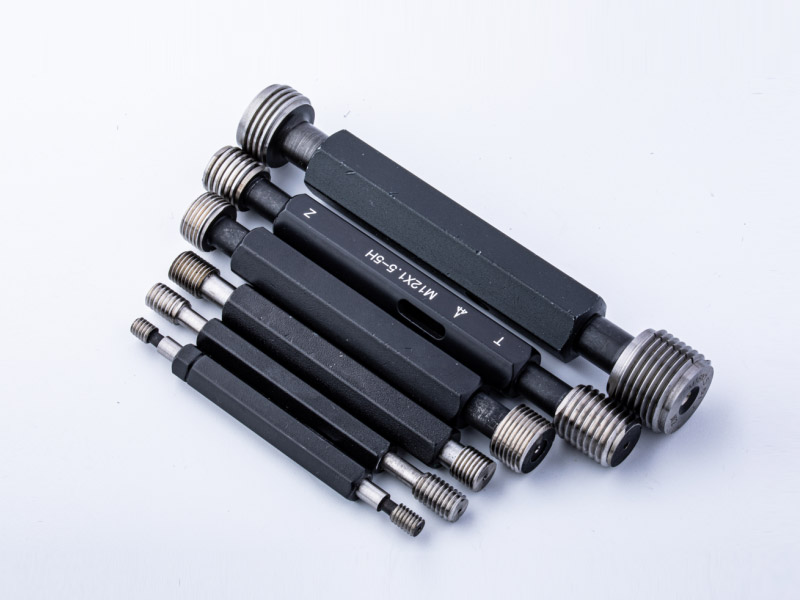
  • Thread Plug Gauges for Wire Thread Inserts

    Used to check the internal threads of the base holes prepared for wire thread inserts.

Product Parameters

Materials and Properties

Standard wire thread inserts are available in Unified Coarse (UNC), Unified Fine (UNF), and Metric thread sizes. The raw material can be 304H stainless steel, or other materials such as Nimonic 90 and phosphor bronze.

MaterialGradeService TempTensile Strength at RTSurface Condition
Stainless Steel304H;321425°C
 short-term;
315°C
long-term
>1400 MPaNo coating;
Nickel-plated;
Silver-plated
High-Temperature AlloyInconel X750;
Nimonic 90
750°C short-term;
550°C long-term
>1400 MPaNo coating;
Nickel-plated;
Silver-plated


Selection of Nominal Length L of Wire Thread Inserts

The nominal length L of a wire thread insert, also known as the basic threaded hole length L2, is usually supplied as a multiple of the nominal thread diameter, i.e.: L2 = 0.5d; 0.75d; 1d; 1.25d; 1.5d; 2d; 2.5d; 3d …
The nominal thread diameter refers to the nominal diameter d of the screw that fits into the wire thread insert.


  • image


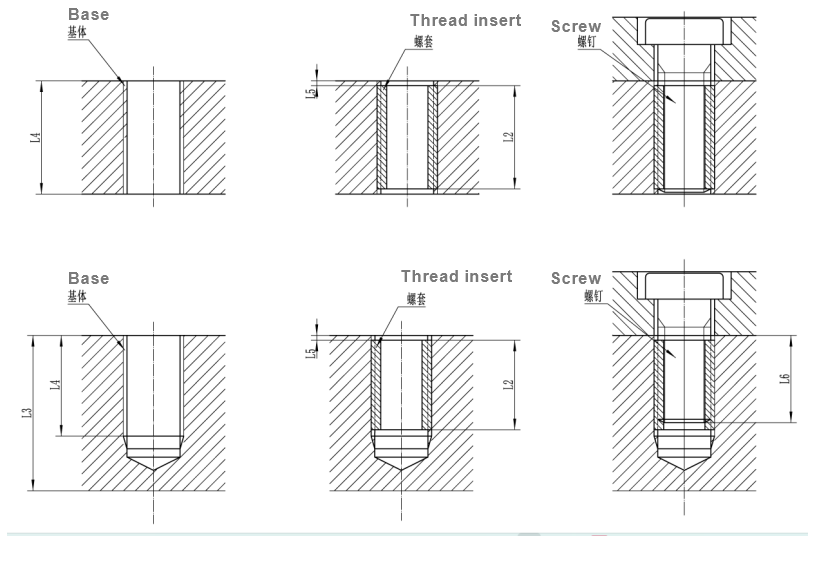
  • P:Pitch
    W:Number of coils of the wire thread insert in free state
    D:Nominal diameter of the wire thread insert (nominal screw diameter)
    Dz:Outer diameter of the wire thread insert in free state
    d0:Drill diameter selected for the hole
    L1:Nominal length of the wire thread insert
    L2:Actual length of the wire thread insert after installation
    L3:Hole depth
    L4:Thread depth of the tapped hole for installing the wire thread insert (same as L1)
    L5:Distance from the wire thread insert to the mounting surface (L5 = 0.5P ± 0.25P)
    L6:Maximum bolt insertion depth without removing the installation tang (same as L2)


Metric Series Wire Thread Inserts-Types, Dimensions and Installation Parameters


Metric Series Wire Thread Inserts-Types, Dimensions and Installation Parameters


Coarse Unified Thread (UNC) Wire Thread Inserts-Types, Dimensions and Installation Parameters 

UNC Series Wire Thread Inserts-Types, Dimensions and Installation Parameters


Unified Fine Thread (UNF) Wire Thread Inserts-Types, Dimensions and Installation Parameters

UNF Series Wire Thread Inserts-Types, Dimensions and Installation Parameters


Thread Insert Production Process

Crafted with Skill·Made with Dedication — The Art of Precision Thread Insert Manufacturing

Please feel free to email us:arvin540@foxmail.com

Industries Served
01
Aerospace
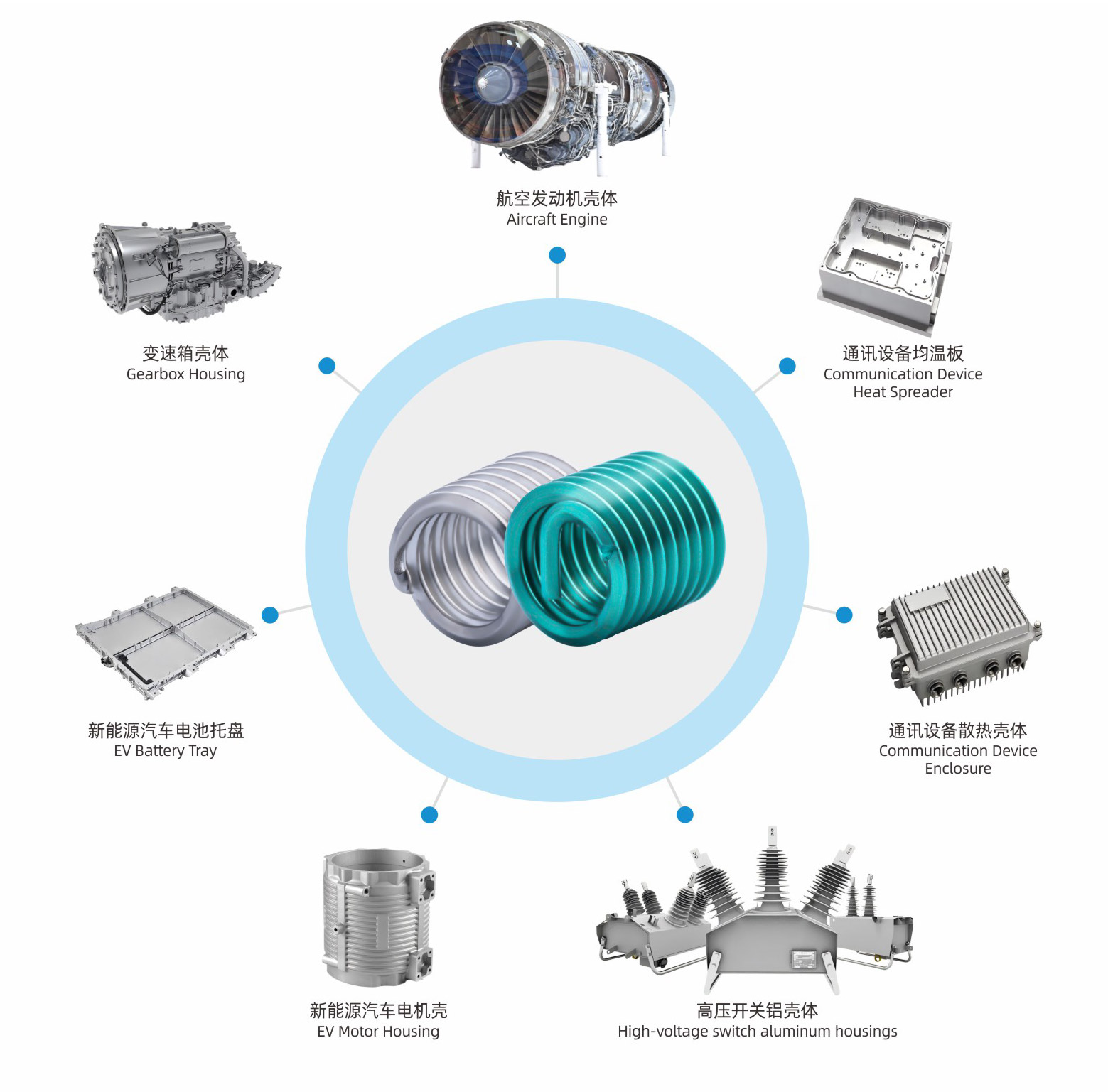
Bashan wire thread inserts are widely used in aircraft engines, airframes, avionics systems, and rockets to reinforce and repair metal threads.
02
New Energy Vehicles (NEV)
Bashan wire thread inserts are widely used in NEV die-cast aluminum battery enclosures, vehicle under-body castings, and motor housings.
03
commercial vehicles and Railway
Bashan wire thread inserts are widely used in aluminum and die-cast components across the automotive and rail transit industries, including gearbox housings, gear cover plates, electrical panels, and other structural parts.
04
Communications & Electronics
Bashan wire thread inserts are widely used in electronic housings, communication heat sinks, and module brackets.
Typical Applications

Helical inserts can be used in various threaded areas subject to high stress or wear. By enhancing thread strength and corrosion resistance, they significantly extend the service life of components.

Related Recommendations

Tangless wire thread insert

Tangless wire thread insert

Why Choose Tangless wire thread inserts?1.Tangless wire thread inserts feature notches at both ends, which means there is no tang that needs to be broken off, removed, or discarded.2.The notch-slot design allows easy repositioning or removal of the insert if installed too deep, without causing damage to the parent threads.3.No need for tang-break tools or for time-consuming removal of broken tangs in blind holes, saving both time and labor.4.FOD-free installation with no debris or residue, enhancing the safety and reliability of automotive, electronics, and aerospace equipment.5.The bi-directional notch-slot design allows installation without orientation, simplifying the process.Tangless Helical Insert Installation ToolsTaps for Wire Thread InsertsTaps for wire thread inserts are used to machine special internal threads for wire thread insert installation holes. They are manufactured according to the national standard GB3464-83 (Straight-shank machine and hand taps) and are made of W6Mo5Cr4V2 high-speed steel. They can be used for both machine and manual tapping.Straight-Flute TapsStraight-flute taps have a wide range of applications and can be used for both through-holes and blind holes, as well as for ferrous and non-ferrous metals. Suitable for both hand and machine tapping and are relatively inexpensive. However, they are less specialized — short-lead taps are used for blind holes, and long-lead taps are used for through-holes.Spiral-Flute TapsSpiral-flute taps are more suitable for blind holes, especially when used with dedicated tapping machines or machining centers. Chips are expelled backward during tapping, resulting in high cutting efficiency and good surface quality of the internal threads.Forming (Roll) TapsForming taps are ideal for machining tough non-ferrous metals, especially copper, aluminum alloy castings, and stainless steel. They produce internal threads through cold-forming, which yields high tensile and shear strength and better surface roughness.Wire Thread Insert Installation WrenchesManual Installation WrenchThe basic principle is to guide the insert through a lead thread that compresses its outer diameter, allowing smooth insertion into the base hole.Automatic Installation WrenchesAutomatic installation wrenches come in pneumatic and electric versions, featuring high efficiency, speed, and accurate positioning. They are suitable for mass installation of wire thread inserts or for use on assembly production lines.Thread Plug Gauges for Wire Thread InsertsUsed to check the internal threads of the base holes prepared for wire thread inserts.

Tang-Type Helical Inserts

Tang-Type Helical Inserts

Standard wire thread inserts come in two types: one with a tang featuring a notch for break-off and one with a tang without a notch. They are made of multi-coil helical wire and, by selecting a proper installation length, form an elastic connection between the screw and the internal threads of the base material, eliminating thread manufacturing errors and increasing connection strength. Compared with traditional inserts, they reduce additional volume and weight.Standard wire thread inserts with a break-off notch on the tang are mainly used in through-holes and are the most widely used type.Standard wire thread inserts without a notch on the tang are mainly used in blind holes or deep holes where the screw end must not contact the installation tang after tightening.Tang-Type Thread Insert Installation ToolsTaps for Wire Thread InsertsTaps for wire thread inserts are used to machine special internal threads for wire thread insert installation holes. They are manufactured according to the national standard GB3464-83 (Straight-shank machine and hand taps) and are made of W6Mo5Cr4V2 high-speed steel. They can be used for both machine and manual tapping.Straight-Flute TapsStraight-flute taps have a wide range of applications and can be used for both through-holes and blind holes, as well as for ferrous and non-ferrous metals. Suitable for both hand and machine tapping and are relatively inexpensive. However, they are less specialized — short-lead taps are used for blind holes, and long-lead taps are used for through-holes.Spiral-Flute TapsSpiral-flute taps are more suitable for blind holes, especially when used with dedicated tapping machines or machining centers. Chips are expelled backward during tapping, resulting in high cutting efficiency and good surface quality of the internal threads.Forming (Roll) TapsForming taps are ideal for machining tough non-ferrous metals, especially copper, aluminum alloy castings, and stainless steel. They produce internal threads through cold-forming, which yields high tensile and shear strength and better surface roughness.Wire Thread Insert Installation ToolsManual Installation WrenchThe basic principle is to guide the insert through a lead thread that compresses its outer diameter, allowing smooth insertion into the base hole.Manual Tang Break-Off Tools /  Automatic Tang Break-Off ToolsTang Break-Off Tools: Break off the installation tang of wire thread inserts with a sharp impact.Extraction ToolsUsed to remove wire thread inserts installed in tapped holes.Thread Plug Gauges for Wire Thread InsertsUsed to check the internal threads of the base holes prepared for wire thread inserts.

Key-locking thread inserts

Key-locking thread inserts

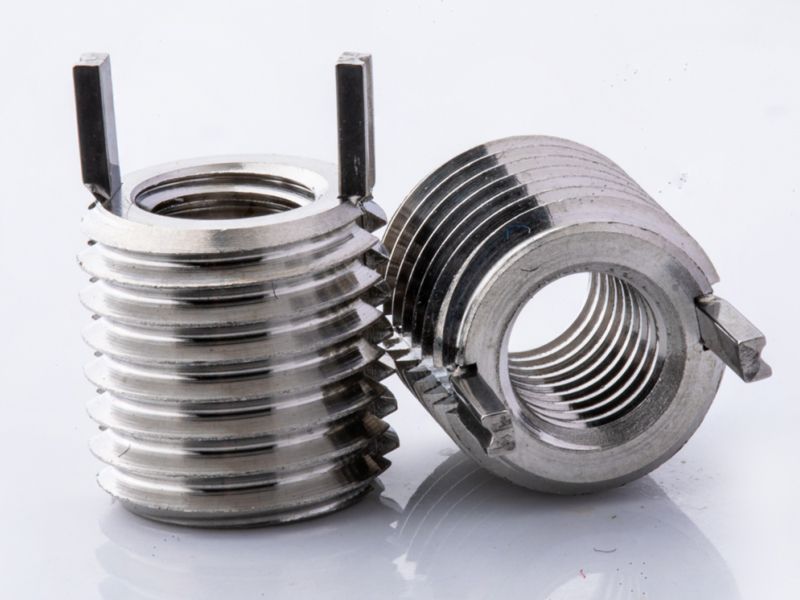
Key-locking thread inserts are special fasteners with both internal and external threads, featuring two or four locking keys on the outer thread. After the insert is installed into the tapped hole, the keys are driven down to lock the insert in place, providing exceptional holding strength.Today, they are widely used in aerospace, aviation, instrumentation, rail transit, hydraulic and electric equipment, chemical fiber machinery, textiles, and other applications requiring high thread strength.The fundamental functions of key-locking inserts are thread repair and thread reinforcement. They offer a fast and effective method to restore damaged internal threads, and when used in low-strength materials, significantly enhance the strength of threaded holes.Classification of Key-Locking Thread Inserts ①By Material②Surface Treatment③By Type / Size Category Carbon steel |   Stainless steel SUS303Carbon steel — Phosphate anti-corrosion coatingStainless steel 303 — PassivationMiniature |  Thin-wall | Heavy-duty |  Extra-strength Installation Process of Key-Locking Thread Inserts1.Drilling:The drilling depth should be greater than the length of the key-locking insert.2.Tapping:The tapped thread specification must match the external thread size of the key-locking insert.3.Installation:Screw the key-locking insert into the corresponding threaded hole, ensuring it sits below the workpiece surface.4.Key Locking:Use the appropriate tool to drive the locking keys of the insert down into the bottom of the hole.5.Completion:Illustration of the installation result.Removal Method for Key-Locking Thread Inserts01Drilling:Drill out a portion of the key-locking insert.02 Breaking the Keys: Bend the locking keys inward and break them off.03Removal:Use an “easy-out tool” or a similar tool to unscrew and remove the insert.04Reinstallation: A new key-locking insert can then be installed.

Self-Tapping Helical Inserts

Self-Tapping Helical Inserts

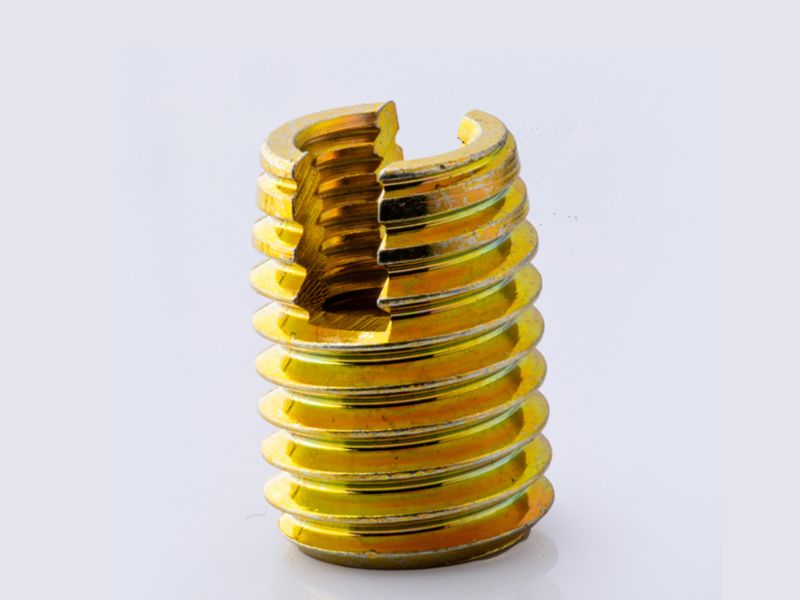
Self-tapping thread inserts (also known as self-tapping sleeves) are fasteners with internal and external threads, featuring cutting holes or cutting slots. They do not require pre-tapping; instead, they are driven directly into the base material to form their own internal threads. They can also restore damaged or stripped threads while maintaining the original thread size.Self-tapping inserts are suitable for light alloys (aluminum, magnesium, zinc, and their alloys), cast iron, brass/bronze, thermoset plastics, laminates, and wood. They are widely used in automotive engines, transmission components, and other parts such as mirrors, heat sinks, and shock absorbers; in factory equipment such as flange joints, construction machinery, and fuel systems; in household appliances and office equipment; as well as in capacitors, high-current devices, RF and telecommunication systems, and dental equipment. In the military field, they are mainly used in tanks, fighter jets, naval vessels, and other equipment.Advantages of Self-Tapping Inserts Self-tapping inserts can cut their own threads, eliminating the need to pre-tap the base material, thus reducing production costs. They have a large contact area with the assembled part, providing high tensile strength, allowing the use of lower-strength materials in design. They can restore worn or stripped threads in the base material, allowing the continued use of the same screws. They offer excellent vibration resistance, preventing loosening. They fit tightly with the base material, providing good airtightness even when the base contains air bubbles. Self-tapping inserts are easy and quick to install, requiring only one assembly tool, with low cost and virtually no defect rate.Types of Self-Tapping Inserts 302 / 302H Type The 302 series is the most widely used among all self-tapping inserts. Its two slots serve as cutting edges and provide a slight inward locking effect. The 302H version adds a flange to the 302 type, significantly increasing pull-out strength and torque resistance.307 / 308 TypeThe 307 and 308 series are designed for difficult-to-cut materials. They feature a thicker wall and a shallower yet sharper external thread, and use three holes as cutting edges. The 308 is a reinforced version of the 307, with the only difference being the insert length. The 307H / 308H versions include a flange.317 / 318 TypeThe 317/318 series is specially designed to provide increased torque capacity and vibration resistance, achieved by inserting a pin that conforms to DIN 1437 standards.Common Materials for Self-Tapping InsertsCarbon SteelSuitable for lower-strength base materials such as aluminum alloys, copper alloys, and plastics.Stainless Steel 303Suitable for higher-strength materials such as cast iron.Installation Method for Self-Tapping InsertsMethod 1:When the installation quantity is small, a simple installation method can be used. This method uses a bolt and nut of the corresponding size. As shown in the illustration, fix the self-tapping insert onto the corresponding bolt, then secure it with a nut of the same specification so that the three components form a single unit. Use a wrench to drive the insert into the pre-drilled hole, then remove the bolt after installation.Method 2:When the installation quantity is large, a dedicated insert installation tool can be used. The procedure is illustrated below. The rear end of the tool has a hex head, which can be connected to a manual tap wrench or to electric/pneumatic tools.Step 1Drill or form the hole according to the recommended and verified diameter. Screw the self-tapping insert onto the manual installation tool with the cutting slot or cutting hole facing downward. Ensure that the tool’s tip does not extend beyond the upper cutting point or the upper edge of the slot.。Step 2Drive the insert vertically into the hole. During the first 1–2 threads of engagement, check for misalignment. If any deviation occurs, remove and realign immediately. Do not reverse the installation tool during the tapping process.Step 3When the insert reaches the intended depth (the top of the insert should sit approximately 0.2 mm below the work surface), hold the lower hex nut with a hex wrench and rotate counterclockwise to remove the installation tool.Installation PrecautionsFor different base materials, refer to the recommended drill size to perform the pre-drilled hole. When the material has higher hardness, slightly enlarge the hole diameter within the recommended drilling range.Position the slotted end or the three-hole end downward, secure the self-tapping insert onto the installation tool, and align it vertically with the workpiece. During initial insertion (1P–2P), ensure precise alignment with the pre-drilled hole; the tool must never be tilted. If misalignment occurs, do not reverse the tool—remove and realign before proceeding. After the insert has entered 1/3–1/2 of its length, reinstallation is no longer possible. Also, do not reverse the tool during installation, as this may cause insert failure.Once the insert reaches the designated depth, hold the hex section of the tool with a locking plate and reverse the wrench to detach the tool from the workpiece.


Helical Insert Tools and Installation Methods

Helical Insert Tools and Installation Methods

Taps for Wire Thread InsertsTaps for wire thread inserts are used to machine special internal threads for wire thread insert installation holes. They are manufactured according to the national standard GB3464-83 (Straight-shank machine and hand taps) and are made of W6Mo5Cr4V2 high-speed steel. They can be used for both machine and manual tapping.Straight-Flute TapsStraight-flute taps have a wide range of applications and can be used for both through-holes and blind holes, as well as for ferrous and non-ferrous metals. Suitable for both hand and machine tapping and are relatively inexpensive. However, they are less specialized — short-lead taps are used for blind holes, and long-lead taps are used for through-holes.Spiral-Flute TapsSpiral-flute taps are more suitable for blind holes, especially when used with dedicated tapping machines or machining centers. Chips are expelled backward during tapping, resulting in high cutting efficiency and good surface quality of the internal threads.Forming (Roll) TapsForming taps are ideal for machining tough non-ferrous metals, especially copper, aluminum alloy castings, and stainless steel. They produce internal threads through cold-forming, which yields high tensile and shear strength and better surface roughness.
HOME PRODUCT TEL TOP